Kicking off with how do i add ical to google calendar, this topic is essential for those who need to integrate external calendars with Google. Adding ICS files to Google Calendar enables users to manage multiple calendars, share events, and receive notifications.
The process of adding ICS files to Google Calendar involves creating a Google account, setting up account security, understanding the role of ICS files, exporting and importing ICS files, utilizing third-party services, troubleshooting, and configuring Google Calendar settings.
Setting up a Google Account to Add ICS Files: How Do I Add Ical To Google Calendar
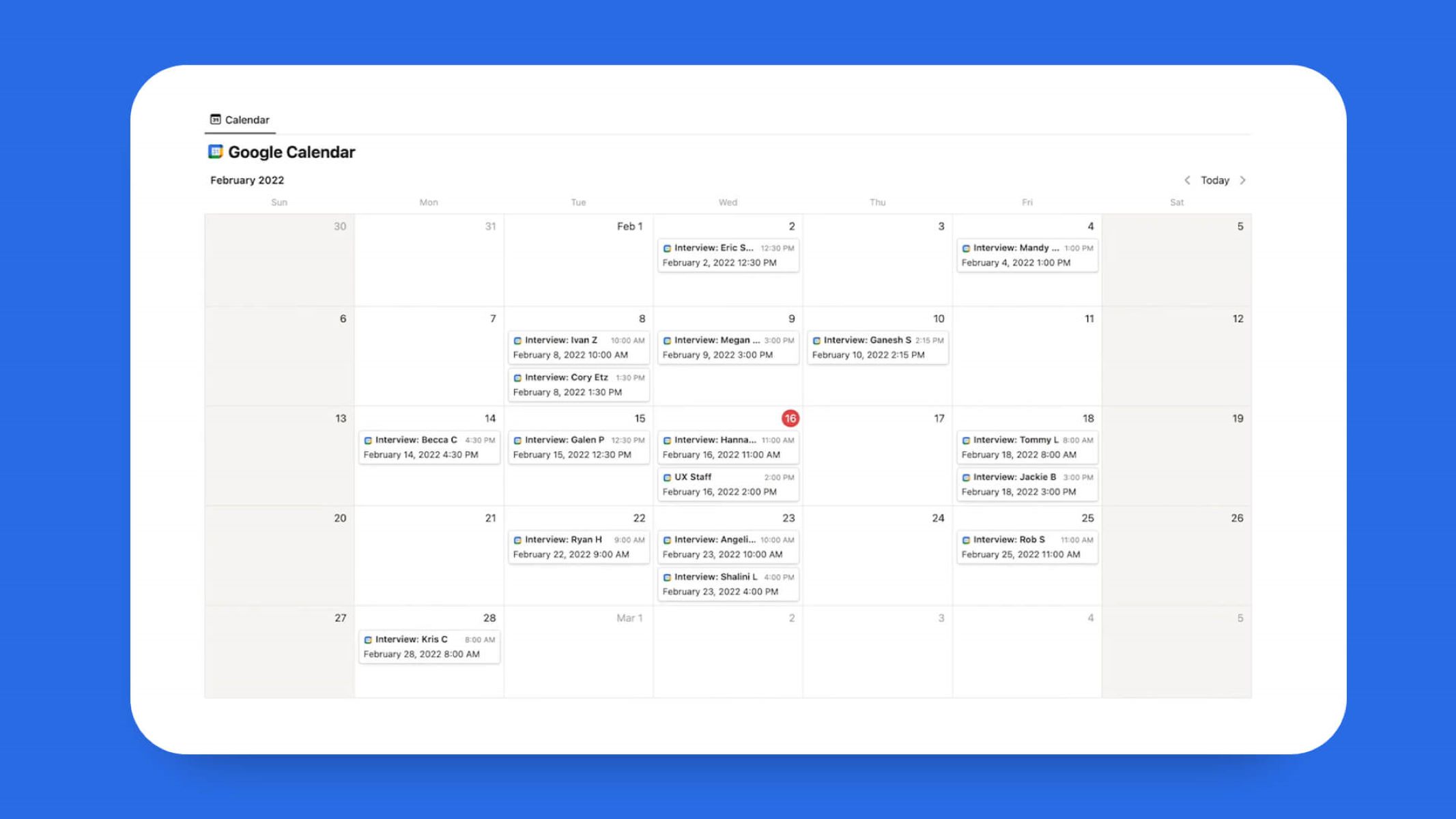
To harness the full potential of Google Calendar and integrate external calendars, you must first establish a solid foundation – a robust Google account. Your account’s security and configuration set the stage for seamless calendar integration.
Create a Google account by visiting the official website and filling out the required information. Ensure you provide accurate details, as this will serve as your primary means of accessing your account. Google offers various options for account creation, but it’s essential to opt for a Google Account that aligns with your specific needs.
Creating a Google Account
- Visit the Google account creation page by going to accounts.google.com and clicking on “Create account”.
- Fill out the necessary information, including your first and last name, birthdate, and recovery email address.
- Select a strong and unique password that meets Google’s minimum requirements.
- Provide a valid phone number, which will be used for two-factor authentication.
- Click on “Next” and review the Terms of Service and Privacy Policy. If you agree, check the boxes and click on “Create”.
Configuring Your Google Account for Calendar Integration
With your account created, it’s time to configure it for seamless integration with external calendars. Start by going to the Google Account settings page and clicking on “Security” from the left-hand menu.
Scroll down to the “Signing into other Google apps” section and ensure that the toggle is set to “On”. This will allow you to access Google Calendar and other services without needing to re-enter your account credentials.Enabling Two-Factor Authentication, How do i add ical to google calendar
To add an extra layer of security to your account, enable two-factor authentication. This requires you to provide a verification code sent to your phone or generated by an authenticator app in addition to your password.
To enable 2FA, go to the Google Account settings page and click on “Security” from the left-hand menu. Scroll down to the “Signing into other Google apps” section and click on the toggle to turn on 2-step verification.
You will be prompted to set up a recovery phone and/or a recovery email. This information will be used if you forget your password or lose access to your account.Account Recovery Options
It’s essential to have a recovery phone and recovery email set up to ensure you can regain access to your account in case of an emergency.
To set up recovery options, go to the Google Account settings page and click on “Security” from the left-hand menu. Scroll down to the “Account recovery” section and click on “Recovery phone” or “Recovery email”.
Enter the required information, including your phone number or email address.Account Security Features
Google offers several security features to help protect your account, including:
- Password management: Google offers tools to help you generate and store strong, unique passwords for each account.
- Google Authenticator: An authenticator app that generates a time-based one-time password (TOTP) to add an extra layer of security when signing into your account.
- Device management: Google allows you to manage the devices that are associated with your account, providing you with control over access and security.
- Activity monitoring: Google provides features to help you monitor and manage account activity, including login history and security alerts.
Strong Password Best Practices
A strong password is the first line of defense against unauthorized access to your account. When creating a password, use a combination of uppercase and lowercase letters, numbers, and special characters.
Your password should be at least 12 characters long and avoid using easily guessable information, such as your name or birthdate.
It’s also essential to avoid using the same password across multiple accounts, as this can increase the risk of your account being compromised.Two-Factor Authentication Best Practices
To get the most out of two-factor authentication, use a method that requires both a password and a verification code.
This can include a physical security key or a smartphone app that generates a time-based one-time password.
Avoid using SMS-based verification codes, as they can be vulnerable to intercepting or hijacking.Understanding the Role of ICS Files in Google Calendar

ICS files, or iCalendar files, are the unsung heroes behind seamless calendar integration. These files contain a wealth of scheduling information and metadata that enables Google Calendar to effortlessly sync with various calendars, devices, and platforms.
ICS files are built around a specific format and structure that facilitates effortless data exchange. The standard ICS file format, also known as iCalendar, utilizes a unique syntax that allows for the storage and transmission of calendar data, including events, appointments, and schedule-related information.
Format and Structure of ICS Files
A standard ICS file consists of three main components:
* The first line, which includes the header information and the version number.
* The event section, where the actual calendar data is stored, including event details, recurrence information, and time zones.
* The footer section, which contains the end-of-file indicator.The event section, for instance, is comprised of various fields such as the event’s start and end dates, time zones, and recurrence patterns. The following example demonstrates the structure of an ICS file’s event section:
“`markdown
BEGIN:VEVENT
DTSTART:20230215T110000Z
DTEND:20230215T120000Z
RRULE:FREQ=DAILY;COUNT=5
LOCATION:Google Headquarters
DESCRIPTION:A critical meeting with the board of directors.
END:VEVENT
“`These fields enable the calendar application to properly interpret and display the event, including its start and end dates, recurrence patterns, and location details.
Differences Between ICS, .ICS, and .ICAL Formats
The ICS file format is often mistaken with other file formats, including .ics and .ical. While these file extensions may appear similar, they all refer to the ICS standard, although some may use additional metadata or extensions.
The primary difference lies in the usage and compatibility:
* ICS files are the official iCalendar standard and are widely supported across most calendar applications.
* .ics files are a variant of the ICS format, often used in Microsoft Exchange and other proprietary systems.
* .ical files might include additional metadata or formatting, which can be specific to a particular application or platform.Metadata and Scheduling Information
ICS files also contain crucial metadata that supplements the calendar data. This information includes:
- Event recurrence patterns, specifying frequency, interval, and end dates
- Event location and venue details, including city, country, and postal codes
- Event reminders and alarms, such as notifications, email reminders, or SMS alerts
- Event attendee information, including names, emails, and roles
- Event attachments, such as documents, images, or audio files
- Calendly: A popular scheduling tool that allows users to create and share event links that automatically import into Google Calendar.
- BusyConf: A video conferencing solution that seamlessly integrates with Google Calendar, enabling users to schedule meetings and events with ease.
- IFTTT (If This Then That): A powerful automation tool that enables users to create custom recipes for integrating ICS files with Google Calendar.
- Zapier: A workflow automation platform that allows users to connect Google Calendar with other services and apps, including ICS file importation.
- Sign up for the third-party service and create an account.
- Connect the service to Google Calendar using the relevant API keys or authorization tokens.
- Configure the import settings to specify the ICS files to be imported, the frequency of imports, and any necessary filtering criteria.
- Verify the import settings and test the integration to ensure seamless importation of ICS files into Google Calendar.
- Duplicate Events: This occurs when multiple ICS files contain identical event data, resulting in duplicate events on the Google Calendar.
- Formatting Issues: Incompatibilities between ICS file formatting and Google Calendar’s expectations can lead to incorrect event displays or missing details.
- Conflicting Schedules: Importing ICS files with conflicting event times or dates can cause overlapping schedules and calendar inconsistencies.
- Open Google Calendar and select the calendar where the duplicate events are occurring.
- Right-click on the duplicate event and select ‘Edit event.’
- From the event details page, click on the three vertical dots at the top right and select ‘Delete event.’
- Confirm that you want to delete the event. The duplicate event should now be removed.
- Open the ICS file in a text editor or a dedicated calendar viewer.
- Inspect the event data for any formatting inconsistencies, such as incorrect time zones or missing date information.
- Correct any formatting errors or inconsistencies and save the ICS file.
- Re-import the corrected ICS file into Google Calendar. The event details should now be correctly displayed.
These metadata elements enable calendar applications to provide a richer experience, allowing users to easily identify, categorize, and prioritize events based on their importance, urgency, and scheduling requirements.
Exporting and Importing ICS Files with Google Calendar
In the realm of digital calendars, seamless information exchange is crucial for efficient organization and coordination. Google Calendar, a stalwart of modern calendar management, offers versatile tools for exporting and importing ICS files, a standard format for calendar data exchange. This chapter delves into the intricacies of exporting calendar data from Gmail or other email services into ICS format, as well as the various methods for importing ICS files into Google Calendar.
Exporting Calendar Data from Gmail or Other Email Services
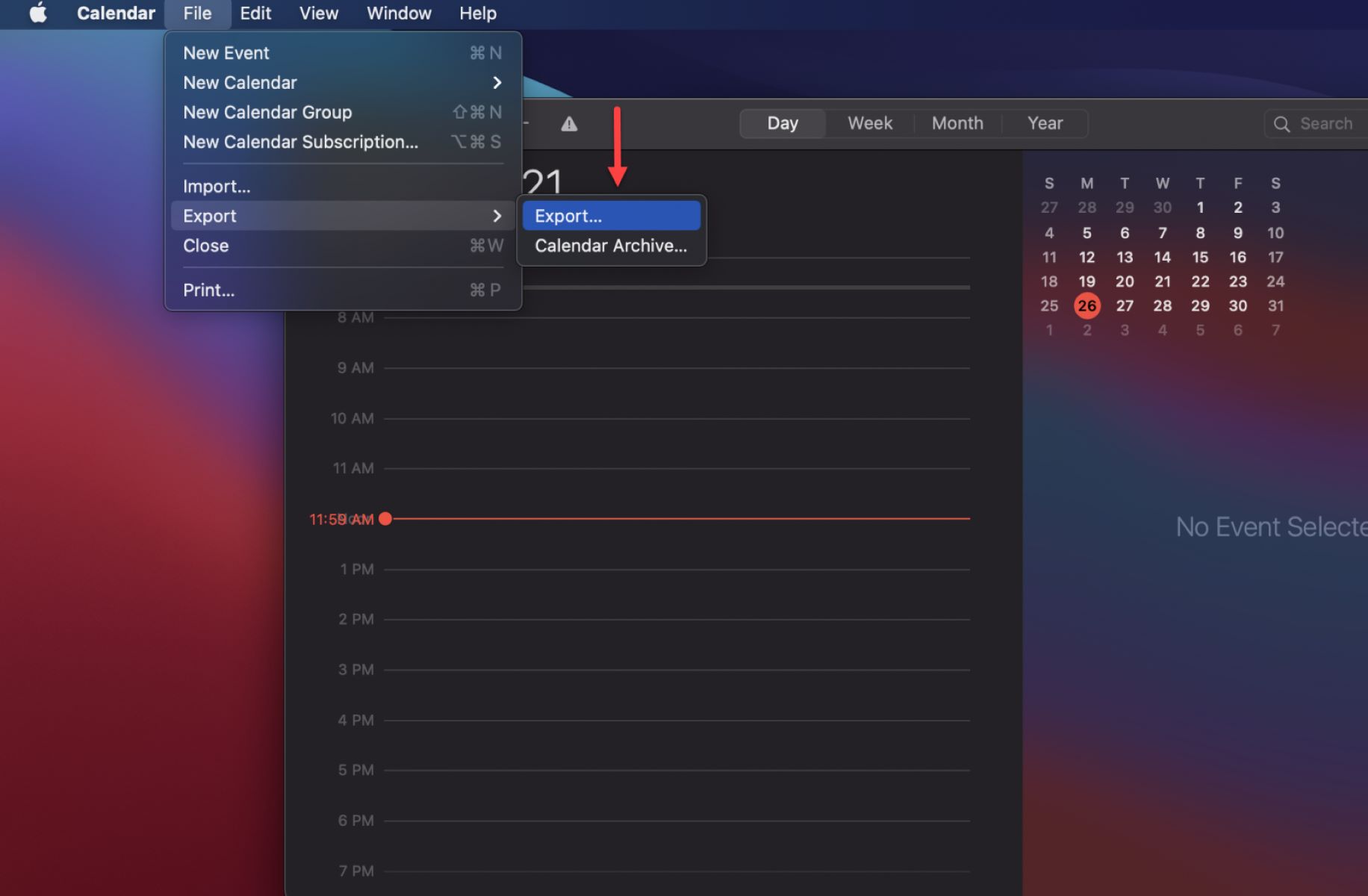
Exporting your calendar data from Gmail or other email services into ICS format is an essential step in integrating your calendar with Google Calendar. This can be achieved through a straightforward process that requires minimal technical expertise. To begin, access your Gmail account and locate the calendar you wish to export. Right-click on the desired calendar, and select “Settings” from the dropdown menu. Navigate to the “Settings” page, scroll down to the “Settings for my calendars” section, and click on the gear icon next to the calendar’s name. From the drop-down menu, select “Export calendar.” You will be prompted to select the Google account associated with the calendar data; simply choose the account and click “Export,” and your calendar data will be converted into an ICS file format. This file can then be directly imported into Google Calendar utilizing the built-in importer.
Importing ICS Files into Google Calendar
Once you have exported your calendar data from Gmail or another email service into ICS format, you are ready to import it into Google Calendar through various methods: email attachment, link, or drag-and-drop.
Importing via Email Attachment
To import an ICS file via email attachment, initiate a new email to the address associated with your Google account, and attach the ICS file you have exported. Send the email, and Google Calendar will automatically add the new calendar data to your account. You can verify the successful import by accessing Google Calendar and browsing through the “Other calendars” section, where the newly imported calendar should be listed.
Importing via Link
Importing an ICS file by link involves sharing the ICS file directly from the email service you used to export the file. Select the ICS file, right-click, and choose “Share.” This action will generate a shareable link; copy and paste this link into a new email or message. Send the email to your Google account address, and the ICS file will be automatically imported into Google Calendar.
Drag-and-Drop Importing
Drag-and-drop importing is the most straightforward method for adding ICS files to your Google Calendar account. Select the ICS file you have exported, drag it to the “Other calendars” section in the Google Calendar interface, and drop it into place. Instantly, Google Calendar will integrate the newly added calendar data.
Example Use Cases
For illustrative purposes, suppose you are an event planner and need to integrate the conference schedule of an external organization into your Google Calendar. You can export the conference schedule from the organization’s calendar into ICS format, then import it into your Google Calendar for seamless integration. Once the new calendar is added, you can effortlessly access the scheduled events, reminders, and invitations for a stress-free coordination experience.
Utilizing Third-Party Services to Add ICS Files to Google Calendar
In the vast landscape of digital calendars, Google Calendar stands out as a stalwart companion for managing schedules and events. However, when it comes to importing and exporting ICS files, the process can become complex and unwieldy. This is where third-party services come into play, offering a streamlined solution to integrate ICS files with Google Calendar. In this section, we will delve into the world of third-party services, exploring their features, benefits, and challenges.
Popular Third-Party Services
Several third-party services have risen to prominence as viable alternatives for importing ICS files into Google Calendar. These services leverage APIs to communicate with Google Calendar, ensuring seamless integration and minimal user intervention.
These services, among others, have simplified the process of importing ICS files into Google Calendar. By leveraging APIs and automation capabilities, users can streamline their event management and scheduling processes.
Configuring ICS File Imports
To configure ICS file imports using third-party services, users typically follow a straightforward process:
Users may need to navigate through various settings and configurations to optimize the import process for their specific needs. However, many third-party services offer user-friendly interfaces and intuitive guidance to facilitate the process.
Comparison of Third-Party Services
Each third-party service offers a unique set of features, benefits, and challenges. When selecting a service for ICS file importation, users should consider the following factors:
Automated vs. Manual Import
* Some services, like Calendly and BusyConf, offer automated importation, while others, like IFTTT and Zapier, require manual configuration.
Integration with Other Apps
* Services like Zapier and IFTTT are known for their robust integration capabilities, enabling users to connect Google Calendar with a wide range of apps and services.
Customization and Filtering
* Users should consider the level of customization and filtering offered by the service, as well as any limitations or restrictions on importation settings.
By carefully evaluating these factors, users can choose the most suitable third-party service for their ICS file importation needs.
Troubleshooting and Fixing Issues When Adding ICS Files
As with any complex process, adding ICS files to Google Calendar is not immune to encountering issues. Duplicate events, formatting problems, and other anomalies can plague even the most carefully planned calendar integrations. In this critical section, we will delve into the most common pitfalls and Artikel step-by-step solutions to rectify these problems, ensuring your calendar remains organized and reliable.
Common Issues and Troubleshooting Techniques
When importing ICS files, several issues can arise, such as duplicate events, conflicting schedules, or mismatched event details. To troubleshoot these problems, it is essential to understand the root causes and apply practical solutions using Google Calendar’s built-in features and settings.
When faced with these issues, the first step is to identify the source of the problem. This can be done by examining the ICS file in question, checking for errors or formatting inconsistencies, and verifying that the imported data aligns with the original event information. With this knowledge, you can proceed to employ the following strategies for resolving the issues:
Resolving Duplicate Events
Duplicate events can be eliminated by carefully editing the ICS file to remove redundant event data or by using Google Calendar’s merge functionality. To do this, follow these steps:
Resolving Formatting Issues
When an ICS file contains formatting errors or inconsistencies, Google Calendar may not be able to accurately import the event details. In such cases, it is essential to inspect the ICS file and adjust the formatting accordingly. To do this, follow these steps:
Resolving Conflicting Schedules
When multiple ICS files contain conflicting event schedules, it can lead to overlapping events and calendar inconsistencies. To resolve this, follow these steps:
- Open Google Calendar and select the calendar with the conflicting events.
- Identify the events in conflict by examining the event details and schedules.
- Use Google Calendar’s ‘Move to’ or ‘Copy to’ features to adjust the conflicting events and resolve the scheduling conflicts.
Visualizing Calendar Schedules with ICS File Integration
In the realm of digital calendars, a well-crafted schedule is a symphony of color, categorization, and clarity. By harnessing the power of ICS file integration, you can elevate your Google Calendar from a plain time-keeping device to a vibrant, visual representation of your scheduling masterpiece. As you delve into the world of calendar visualization, you’ll uncover the secrets to creating a schedule that sings, a harmonious blend of art and technology.
Color-Coding: The Unsung Hero of Scheduling
Color-coding is a fundamental aspect of visual calendar schedules. By assigning specific colors to different events, categories, or time blocks, you can instantly communicate the relevance and priority of each occurrence. This clever technique allows your brain to rapidly process and retain information, making it easier to navigate your schedule and respond to new events. In the world of ICS file integration, color-coding becomes an even more powerful tool, as you can leverage the rich palette of colors to differentiate between various types of events.
Categorization: The Art of Grouping and Prioritizing
Categorization is the sibling of color-coding, as both techniques aim to simplify and streamline your scheduling experience. By grouping similar events together, you can prioritize tasks, identify patterns, and visualize your workflow. This clever categorization system, coupled with color-coding, enables you to create a schedule that’s easy on the eyes and optimized for productivity. With ICS file integration, you can even automate the categorization process, assigning specific colors and labels to events based on your predefined rules.
Visual Optimization Techniques
When it comes to crafting a visually appealing schedule, the devil is in the details. Here are a few techniques to help you optimize your calendar’s visual presentation:
-
Bullet Point Events
By using bullet points to represent events, you can create a clear and concise schedule that’s easier to scan. This technique is particularly useful when dealing with multiple events at the same time or multiple events in close proximity.
-
Color-Coded Time Blocks
Break up your schedule into time blocks, each with its own color-coding scheme. This will allow you to quickly identify busy periods, meetings, and focused work sessions, making it easier to manage your time effectively.
-
Event Icons
Assign custom icons to specific events or categories, making it easier to identify the nature of each occurrence at a glance. This technique is especially useful for scheduling meetings, appointments, or events with specific requirements.
Real-World Examples of Visualized Scheduling
The art of visualized scheduling is not limited to personal calendars. Take, for instance, the Google Calendar schedule of the popular television series, The Big Bang Theory. This well-crafted schedule showcases the complexities of the characters’ lives, from work sessions to social gatherings, all while providing a visual narrative of their relationships.
Or consider the schedule of a busy freelance writer, who uses color-coding to differentiate between writing projects, client meetings, and deadlines. This clever system allows them to quickly identify which projects require attention, making their workflow more efficient and effective.
With ICS file integration and these visual optimization techniques, you too can create a schedule that’s a masterpiece of color, categorization, and clarity – a true reflection of your digital calendar’s full potential.
Last Recap
In conclusion, adding ICS files to Google Calendar is a straightforward process that requires understanding the basics of ICS files, setting up Google account, and utilizing various methods for importing and configuring ICS files. With this knowledge, users can efficiently manage multiple calendars and stay organized.
Answers to Common Questions
What is the maximum size of an ICS file that can be imported into Google Calendar?
The maximum size of an ICS file that can be imported into Google Calendar is 10MB.
Can I import multiple ICS files at once into Google Calendar?
Yes, you can import multiple ICS files at once into Google Calendar using the drag-and-drop method or by using the “Import” feature from within the Google Calendar settings.
How do I prevent duplicate events when importing ICS files into Google Calendar?
To prevent duplicate events, make sure that the ICS file is properly formatted and that the events do not have conflicting dates and times. You can also use the “Merge conflicting events” feature in Google Calendar settings.
Can I use ICS files with other calendar services such as Microsoft Exchange?

